Industry · Games & Gamified Experiences
Build digital experiences around
why people participate, progress and return.
We help businesses and product teams create game-like and gamified experiences that connect challenges, progression, competition, rewards, community and ongoing engagement.
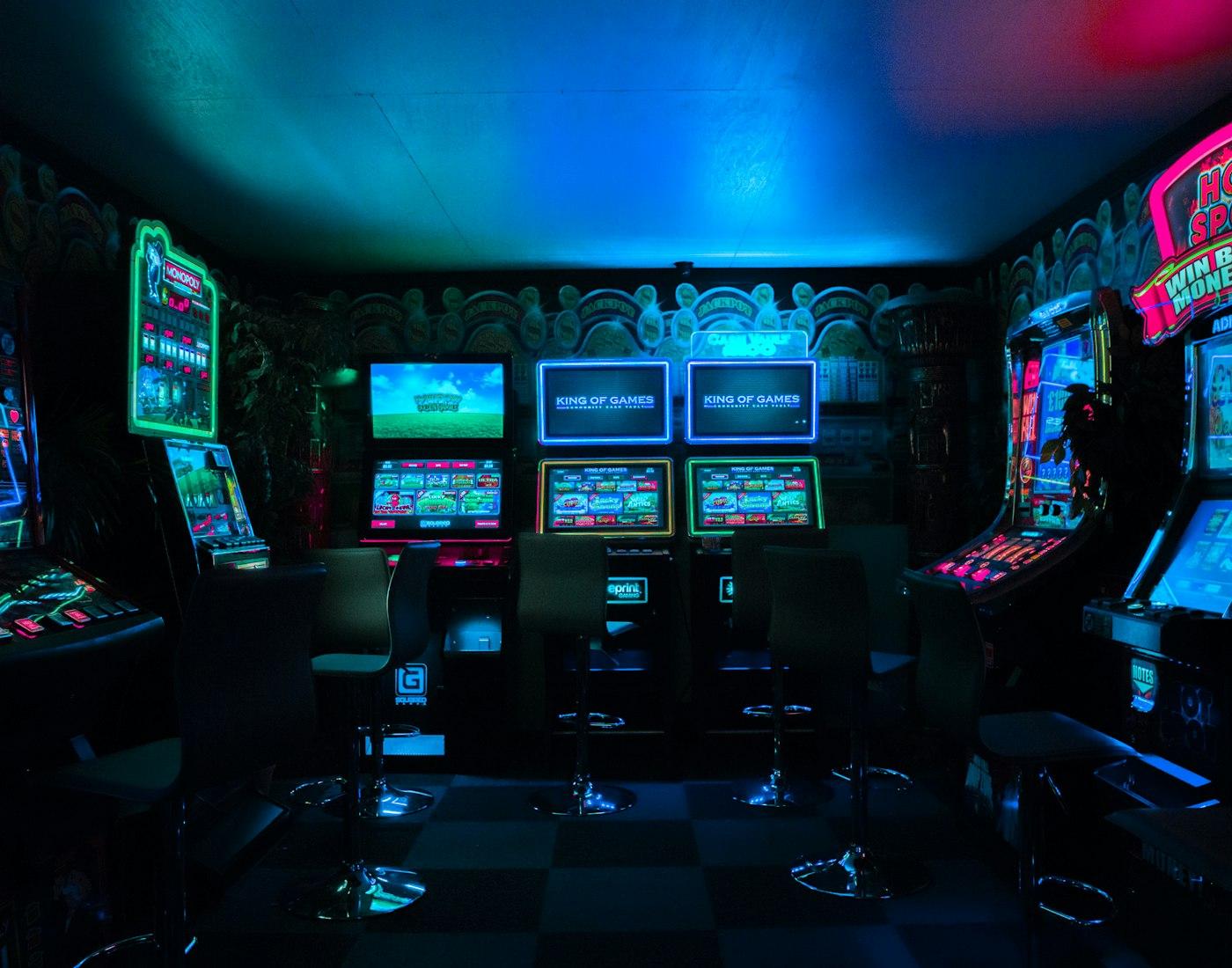
Games & Gamified Experiences
Gamification is a behaviour system, not a decoration layer.
A participant may enter through a challenge, complete a task, earn a score, unlock progression, compare performance with others and return because the next goal feels achievable. Behind that experience sit rules, content, scoring logic, identity, notifications, leaderboards, rewards and analytics.
For learning products, the centre of gravity may be practice and progression. For communities, it may be participation and recognition. For competitive experiences, challenge and ranking may drive the loop.
The technology therefore has to connect mechanics, motivation and meaningful user behaviour.
- 01Who participatesPlayersLearnersMembersChallengersModeratorsAdministratorsDifferent roles need different actions, visibility and levels of control.
- 02How participation worksEnterTryScoreProgressCompeteReturnThe experience depends on a loop that gives people a reason to keep moving.
- 03How the product operatesRulesChallengesContentScoresRewardsNotificationsThe engagement model needs reliable systems behind it.
- 04What connects it allIdentityActivityProgressCompetitionCommunityDataThe value comes from keeping behaviour and feedback connected.
What is changing
Gamified products are moving beyond superficial reward mechanics.
- 01Progression matters more than noveltyA new challenge can attract attention once. A clear sense of progress is what gives people a reason to continue.
- 02Feedback needs to be immediateScores, outcomes, achievements and next steps work best when the user understands the consequence of an action quickly.
- 03Competition is becoming more contextualNot every experience needs a global leaderboard. Head-to-head challenges, cohorts, levels, streaks or personalised goals may create stronger motivation.
- 04Gamification is increasingly used outside entertainmentLearning, fitness, communities, loyalty and professional development increasingly use game mechanics to encourage participation and progress.
- 05Social dynamics matterComparison, recognition, sharing and community can become part of the motivation loop when designed appropriately.
- 06AI can make challenge and feedback more adaptiveAI can support content generation, personalisation, feedback and assistance where it strengthens the experience rather than making outcomes unpredictable or unfair.
The shift is from adding game mechanics to designing meaningful participation loops.
Where technology creates value
The experience becomes stronger when every mechanic has a purpose.
- Challenges & ActivitiesCreate structured actions that give people a clear reason to participate.ChallengesTasksQuestionsTimersDaily activityEvents
- Scoring & FeedbackMake outcomes understandable and immediate.ScoresResultsFeedbackAccuracyPerformanceHistory
- Progression & AchievementGive users a visible sense of movement over time.LevelsMilestonesStreaksBadgesUnlocksProgress
- Competition & RankingCreate appropriate ways for people to compare or compete.LeaderboardsHead-to-headRankingsCohortsTournaments
- Rewards & RecognitionConnect activity with meaningful recognition or benefit where appropriate.RewardsRecognitionUnlocksAccessIncentives
- Community & Social ParticipationSupport interaction around shared activity.ProfilesConnectionsSharingEventsMessagingGroups
- Content & AdministrationGive teams control over challenges, rules and evolving experiences.ContentRulesModerationSchedulingAdministrationReporting
- The strongest gamified products connect action, feedback and progression instead of treating engagement mechanics as isolated features.
Relevant solutions
Platforms that fit the way gamified experiences actually work.
- Learning & Education PlatformsConnect practice, assessment, challenges, progression and learning outcomes.Learning · Assessment · Gamification · Progression · ChallengesExplore Learning & Education ›
- Portals, Membership & Digital EngagementCreate identity, community, participation and ongoing interaction around a shared experience.Profiles · Communities · Events · Content · EngagementExplore Portals & Engagement ›
- AI Assistants & Intelligent ApplicationsIntroduce adaptive assistance, contextual feedback, recommendations and controlled generation.Assistants · Feedback · Recommendations · Content · AutomationExplore AI Applications ›
- Commerce, Ordering & Marketplace PlatformsSupport subscriptions, paid access, rewards or transaction-led participation models.Subscriptions · Payments · Access · Rewards · Digital productsExplore Commerce & Marketplaces ›
- CRM, Sales & Case ManagementConnect participant relationships, campaigns, communication and ongoing engagement where relevant.CRM · Segmentation · Communication · Activity · LifecycleExplore CRM & Case Management ›
Growth & engagement
Growth depends on getting people to start — and giving them a reason to return.
The strongest growth model connects acquisition with the product’s engagement loop rather than treating marketing and retention as separate problems.
Explore Grow ›One connected delivery model
From engagement strategy to products that keep people participating.
Specialist services
The capabilities behind gamified digital experiences.
FAQ
Common questions about games and gamified digital experiences.
A game is usually built around play as the primary experience.
A gamified product uses selected game mechanics — such as challenges, progression, scoring or competition — to support another objective such as learning, engagement or participation.
Yes.
Challenges, progression, rewards, leaderboards or other mechanics can be introduced into an existing product where they support the behaviour the product is trying to encourage.
No.
Gamification should begin with the behaviour and motivation model, not a standard checklist of mechanics.
Yes.
Leaderboards, head-to-head challenges, tournaments and ranking systems can be designed around appropriate rules and participant groups.
Yes.
Progression can use levels, milestones, unlocks, streaks, achievements or other structures appropriate to the product.
Yes.
Subscriptions, payments and entitlement rules can connect with premium challenges, content or other paid experiences.
Yes.
Learning platforms can combine content, assessment, challenge mechanics, scoring, progression, certificates and competition.
Yes.
Profiles, connections, messaging, groups, events and sharing can form part of the experience where they support participation.
AI can assist with generating or varying content where appropriate, but content quality, fairness and review requirements should be designed around the use case.
Potentially.
Where enough behavioural and performance context exists, recommendations or difficulty adjustments can be introduced while keeping the progression model understandable.
Yes.
Growth support can include acquisition, content, lifecycle communication, experimentation, analytics and retention journeys around the product.
Yes.
Cloud, DevOps, managed application services, support, reliability, performance and ongoing product engineering can form part of the engagement.