Industry · Manufacturing & Distribution
Build connected operations around
how goods actually move.
We help manufacturers, distributors and industrial businesses connect inventory, purchasing, sales, dealer networks, finance, field activity and operational data through better digital systems.
Manufacturing & Distribution
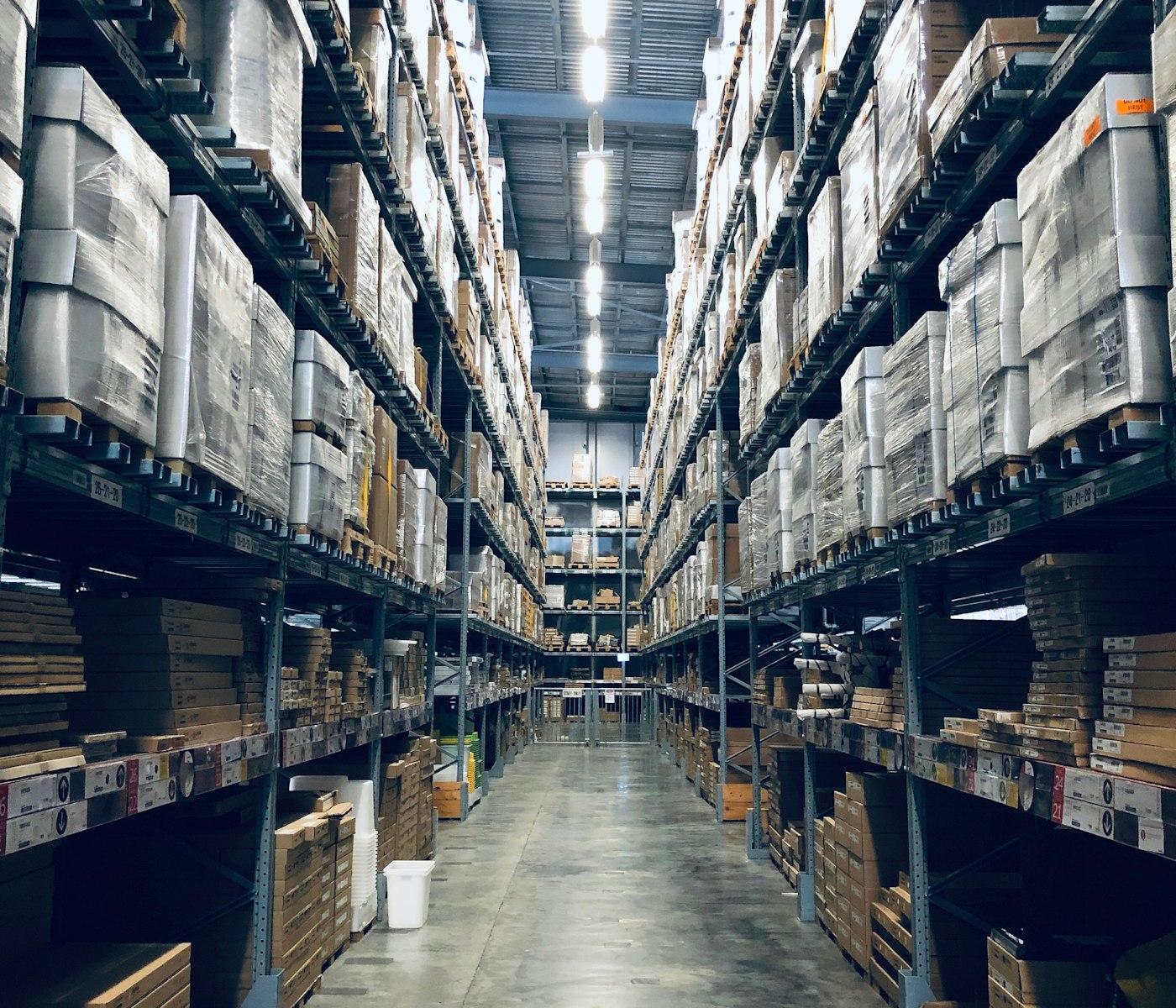
Manufacturing is a flow of materials, information and decisions.
Raw materials arrive. Inventory moves between locations. Products are manufactured, assembled or sourced. Dealers and customers place orders. Teams manage pricing, dispatch, invoicing, payments and exceptions.
For manufacturers, the centre of gravity may be production and material availability. For distributors, it may be inventory and fulfilment. For dealer-led businesses, access, pricing and order workflows can become just as important as the warehouse itself.
The technology therefore has to connect what is happening physically with what the organisation knows digitally.
- 01Who participatesSuppliersOperationsWarehousesDealersCustomersFinance teamsEach participant needs different information, permissions and actions.
- 02How goods moveProcurementReceiptStorageProductionDispatchDeliveryEvery physical movement creates information the business needs to trust.
- 03How the organisation operatesOrdersPricingInventoryInvoicingPaymentsReportingOperational decisions depend on accurate, connected records.
- 04What connects it allSKULocationQuantityOrderCustomerDataThe value comes from keeping product, movement and commercial context together.
What is changing
Industrial operations are becoming more connected — and less tolerant of fragmented information.
- 01Inventory accuracy matters more than everStock information needs to reflect what is actually available across warehouses, locations and stages of movement. Poor visibility quickly affects purchasing, sales and fulfilment.
- 02Dealer and distributor journeys are becoming digitalPartners increasingly expect current catalogues, availability, pricing, order status and service access without relying entirely on calls or messages.
- 03Manual hand-offs create operational frictionProcurement, stock movement, sales, invoicing and dispatch often cross several teams. Every manual transition introduces delay, duplication or loss of context.
- 04Multiple locations increase complexityWarehouses, plants, branches and distribution points need a shared operational view while retaining location-specific control.
- 05Existing systems need to work togetherAccounting, ERP, CRM, e-commerce, logistics and operational systems often cannot simply be replaced. Integration becomes part of the operating model.
- 06Connected equipment is creating new operational dataDevices, sensors and connected assets can provide valuable signals, but only when telemetry becomes usable operational information.
The shift is from recording operations after they happen to running them through connected systems.
Where technology creates value
Every movement in the operation can become more visible, controlled and connected.
- Inventory & Warehouse ManagementCreate a reliable record of what exists, where it sits and how it moves.SKUsLocationsStockTransfersQR/barcodesAdjustments
- Procurement & Supplier WorkflowsConnect purchase requests, suppliers, receipts and incoming inventory.Purchase ordersSuppliersApprovalsReceiptsCosting
- Dealer & Distributor OrderingGive partners structured access to catalogue, pricing, availability and ordering.Dealer portalsB2B orderingPricingCreditOrder status
- Sales & Commercial OperationsConnect enquiries, quotations, orders, invoicing and customer activity.CRMQuotationsOrdersInvoicesCustomersFollow-ups
- Fulfilment & DispatchCoordinate movement from confirmed order through picking, dispatch and delivery.AllocationPickingDispatchDeliveryStatusNotifications
- Finance & Business SystemsConnect operational activity with accounting and financial processes.InvoicingPaymentsCreditAccountingTally/ERP integration
- Connected OperationsBring field, equipment and device-generated information into operational workflows.IoTTelemetryAlertsAssetsField activityMonitoring
- The strongest manufacturing and distribution platforms connect physical movement, commercial activity and operational data instead of treating them as separate systems.
Relevant solutions
Platforms that fit the way industrial businesses actually operate.
- ERP & Operations PlatformsConnect inventory, procurement, sales, finance, workforce and operational workflows in one environment.Inventory · Procurement · Finance · Warehouses · OperationsExplore ERP & Operations ›
- Commerce, Ordering & Marketplace PlatformsSupport dealer ordering, B2B commerce, distributor access and specialised transaction models.B2B · Dealers · Catalogues · Pricing · OrderingExplore Commerce & Marketplaces ›
- IoT & Connected Operations PlatformsTurn device and equipment signals into operational visibility, alerts and action.IoT · Telemetry · Monitoring · Alerts · Connected assetsExplore IoT & Connected Operations ›
- CRM, Sales & Case ManagementBring customers, enquiries, quotations, follow-ups and service relationships into one context.CRM · Sales · Quotations · Follow-ups · ServiceExplore CRM & Case Management ›
- Field, Asset & Compliance PlatformsDigitise inspections, field workflows, asset records and operational evidence.Field apps · Assets · Inspections · Compliance · MapsExplore Field, Asset & Compliance ›
- AI Assistants & Intelligent ApplicationsIntroduce contextual assistance, intelligent search, anomaly support and controlled automation.Assistants · Search · Recommendations · Documents · AutomationExplore AI Applications ›
Growth & discoverability
Growth in industrial markets increasingly starts before the sales conversation.
The strongest industrial growth model connects digital discovery with sales, dealer and CRM workflows rather than treating marketing as a separate activity.
Explore Grow ›One connected delivery model
From operational strategy to systems that keep the business moving.
Specialist services
The capabilities behind connected manufacturing and distribution.
FAQ
Common questions about manufacturing and distribution platforms.
Yes.
A custom ERP can be designed around inventory, procurement, sales, warehouses, invoicing, finance and other workflows where standard software does not fit the operating model well enough.
Yes.
Inventory, transfers, permissions and reporting can be structured across multiple warehouses, plants, branches or distribution locations.
Yes.
QR or barcode workflows can support receiving, stock movement, picking, verification and other inventory processes.
Yes.
Dealer portals and B2B applications can provide catalogue access, pricing, inventory visibility, ordering, credit information and order tracking.
Yes, where suitable APIs, import/export formats or other integration mechanisms exist.
This can include accounting systems, ERPs, logistics platforms and other operational software.
Yes.
A phased approach can replace or extend parts of the environment without requiring every process to change at once.
Yes.
Device and telemetry data can feed monitoring, alerts, asset context or operational workflows where suitable integrations are available.
Yes.
Role-specific mobile applications can support stock movement, inspections, field service, approvals, scanning and other operational tasks.
Yes, where reliable data and context exist.
AI can support information retrieval, prioritisation, anomaly identification, recommendations and defined workflow assistance.
Yes.
Growth support can include SEO, AEO/GEO, paid campaigns, technical content, lead journeys, CRM integration, lifecycle communication and analytics.
Yes.
Cloud, DevOps, application management, support, reliability and ongoing engineering can form part of the engagement.