Industry · Transport & Mobility
Build connected mobility experiences around
how vehicles, assets and teams actually move.
We help fleet, transport and mobility businesses connect vehicles, location, telemetry, field activity, operational workflows and customer experiences through better digital platforms.
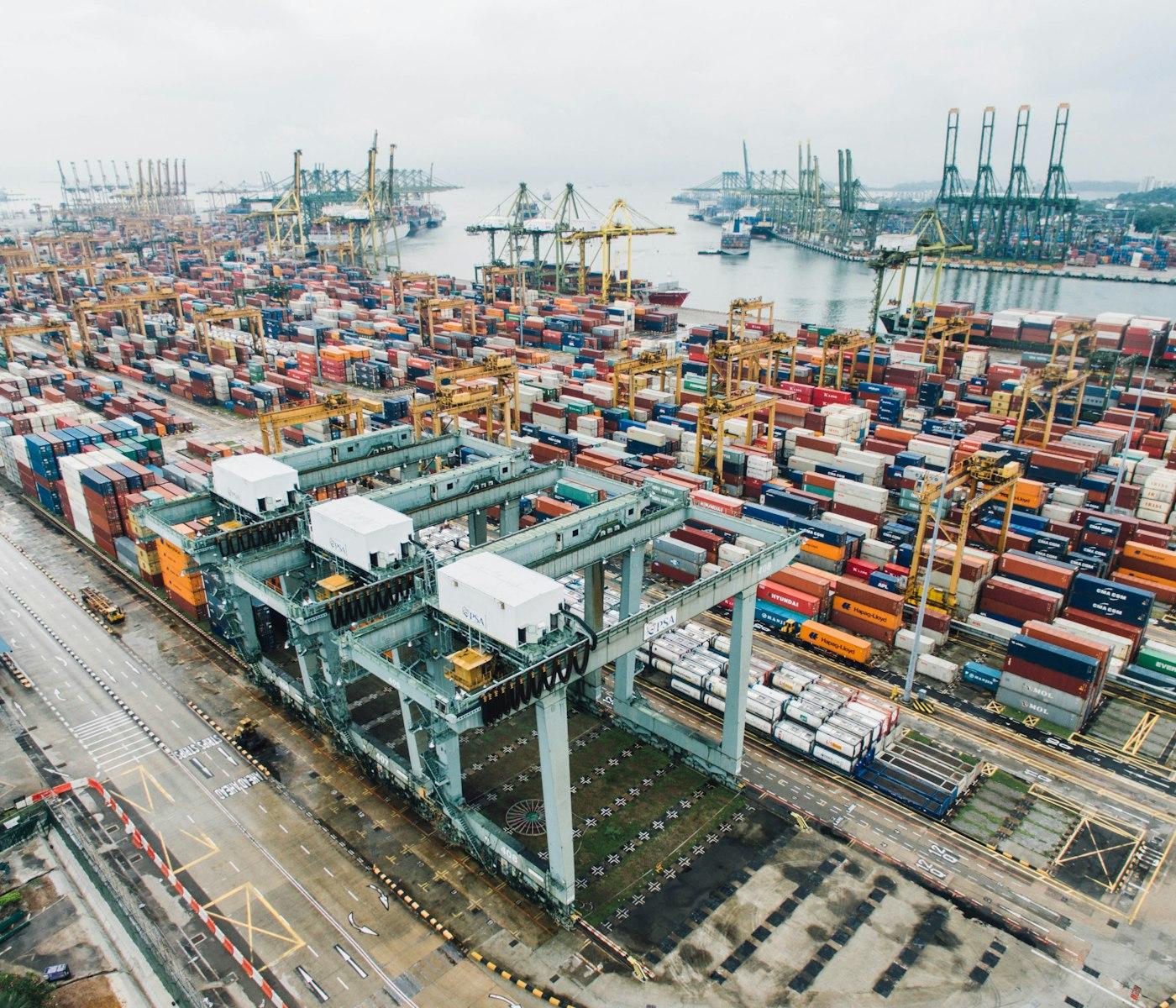
Transport & Mobility
Mobility is a movement business and a real-time operating environment at the same time.
A vehicle may begin a trip, move through defined locations, generate telemetry, encounter an exception and require action from a driver, dispatcher, service team or customer-facing operation. Behind that movement sit routes, assets, drivers or crews, permissions, service records, alerts, compliance requirements and operational reporting.
For fleet businesses, the centre of gravity may be visibility and control. For connected-vehicle platforms, it may be telemetry and user experience. For transport operators, scheduling, field activity and asset availability can matter just as much as the journey itself.
The technology therefore has to connect what is moving with what the organisation needs to know and do about it.
- 01Who participatesDriversCrewsDispatchersOperatorsCustomersService teamsDifferent participants need different information, actions and levels of access.
- 02How movement happensPlanDispatchTravelMonitorRespondCompleteEach stage creates operational information and possible exceptions.
- 03How the organisation operatesTripsVehiclesAlertsServiceComplianceReportingOperational decisions depend on current information rather than delayed reconstruction.
- 04What connects it allVehicleLocationJourneyDriverEventDataThe value comes from keeping physical movement and operational context together.
What is changing
Transport operations are becoming more connected, observable and responsive.
- 01Location is becoming operational contextKnowing where a vehicle is matters, but the more useful question is what that location means for the trip, schedule, customer or operation.
- 02Telemetry is creating more data than teams can watch manuallyVehicles and connected devices can generate continuous information. The challenge is turning that stream into useful events, alerts and decisions.
- 03Exceptions matter more than mapsLate arrivals, route deviations, geofence events, fuel issues or equipment problems often matter more than simply seeing movement on a map.
- 04Field and service workflows need to stay connectedInspections, maintenance, documents and service activity need to relate back to the vehicle or asset rather than exist in separate records.
- 05Multiple systems need a shared operational contextTracking systems, mobile apps, CRM, maintenance, customer platforms and third-party services increasingly need to exchange data.
- 06AI is changing how teams interpret operational informationAI can help search, summarise, prioritise and interpret operational data — but it should support people making consequential transport decisions rather than obscure the underlying context.
The shift is from tracking movement to operating around connected mobility data.
Where technology creates value
Mobility platforms become valuable when movement turns into operational context.
- Fleet & Vehicle VisibilityCreate a current view of vehicles, status and movement.VehiclesLive locationStatusMapsHistoryAvailability
- Trip & Route ManagementConnect journeys with schedules, routes and operational progression.TripsRoutesStopsETAHistoryExceptions
- Alerts & GeofencingTurn movement and telemetry into actionable events.GeofencesSpeedDeviationIgnitionAlertsNotifications
- Driver & Crew WorkflowsGive mobile teams the information and actions required during operations.AssignmentsDocumentsTasksCommunicationStatusMobile workflows
- Asset & Maintenance ManagementConnect vehicles and equipment with service, inspection and lifecycle information.AssetsMaintenanceInspectionsService historyEvidence
- Fuel & Operational MonitoringBring additional vehicle and operational signals into the fleet context.FuelSensorsUsageExceptionsMonitoringReports
- Customer & Service ExperiencesExpose relevant movement or service information to customers and partners.TrackingNotificationsPortalsService statusCommunication
- The strongest mobility platforms connect location, telemetry, people and operational workflows instead of treating tracking as the complete solution.
Relevant solutions
Platforms that fit the way connected mobility actually works.
- IoT & Connected Operations PlatformsTurn vehicle and device signals into visibility, alerts and operational action.Fleet · Telemetry · Devices · Monitoring · AlertsExplore IoT & Connected Operations ›
- Field, Asset & Compliance PlatformsDigitise inspections, maintenance, evidence and mobile operational workflows.Assets · Inspections · Field apps · Documents · ComplianceExplore Field, Asset & Compliance ›
- ERP & Operations PlatformsConnect transport operations with broader internal and administrative workflows.Operations · Finance · Workforce · Reporting · AdministrationExplore ERP & Operations ›
- CRM, Sales & Case ManagementConnect customers, service activity, support and ongoing commercial relationships.CRM · Service · Cases · Customers · Follow-upsExplore CRM & Case Management ›
- Portals, Membership & Digital EngagementCreate customer, partner, driver or operator experiences around relevant movement and service information.Portals · Tracking · Communication · Access · ContentExplore Portals & Engagement ›
- AI Assistants & Intelligent ApplicationsIntroduce contextual search, operational assistance, prioritisation and controlled automation.Assistants · Search · Alerts · Recommendations · AutomationExplore AI Applications ›
Growth & discoverability
Growth starts with being visible when operators and fleet buyers look for mobility partners.
The strongest mobility growth model connects digital discovery with sales, service and operational experience rather than treating marketing as a separate layer.
Explore Grow ›One connected delivery model
From mobility strategy to platforms that keep operations moving.
Specialist services
The capabilities behind connected transport and mobility platforms.
FAQ
Common questions about transport and mobility platforms.
Yes.
A custom fleet platform can support vehicles, devices, live location, journeys, geofences, alerts, drivers, service activity and reporting around the specific operating model.
Yes.
Different devices and protocols can be normalised into a common platform where their technical interfaces and data formats are available.
Yes.
Location and status information can be streamed or polled based on the device architecture and required operating experience.
Yes.
Operational rules can generate events around locations, movement, speed, ignition, routes and other available signals.
Yes.
Mobile applications can support assignments, inspections, documents, status updates, evidence and other field workflows.
Yes.
Fleet and mobility data can connect with customer, service, ERP, reporting or other operational platforms where suitable integration mechanisms exist.
Yes.
Vehicle and asset records can include inspections, service activity, maintenance schedules, documents and historical information.
Yes.
Telemetry from multiple devices or systems can be normalised, processed and surfaced through a shared operational context.
Yes, where appropriate data exists.
AI can support anomaly detection, event interpretation, prioritisation and information retrieval while teams retain control over consequential operational decisions.
Yes.
Growth support can include SEO, AEO/GEO, paid campaigns, service content, lead journeys, CRM integration, lifecycle communication and analytics.
Yes.
Cloud, DevOps, managed application services, monitoring, support, reliability, security and ongoing engineering can form part of the engagement.